Contents
Refurbished vs Used iPhone: What’s the Real Difference in 2026?
The iPhone remains one of the most desired smartphones in the world, but its price hasn’t gotten any friendlier. That’s why more buyers are asking the same question: how do I get an iPhone without paying full retail price? Two answers keep coming up — buying a refurbished iPhone or buying a used iPhone. They sound similar, but they represent very different levels of risk and quality control.
This guide covers what is a refurbished phone, how it differs from a used one, and should I buy a refurbished iPhone in 2026 instead of a used one.
What Is a Refurbished Phone?
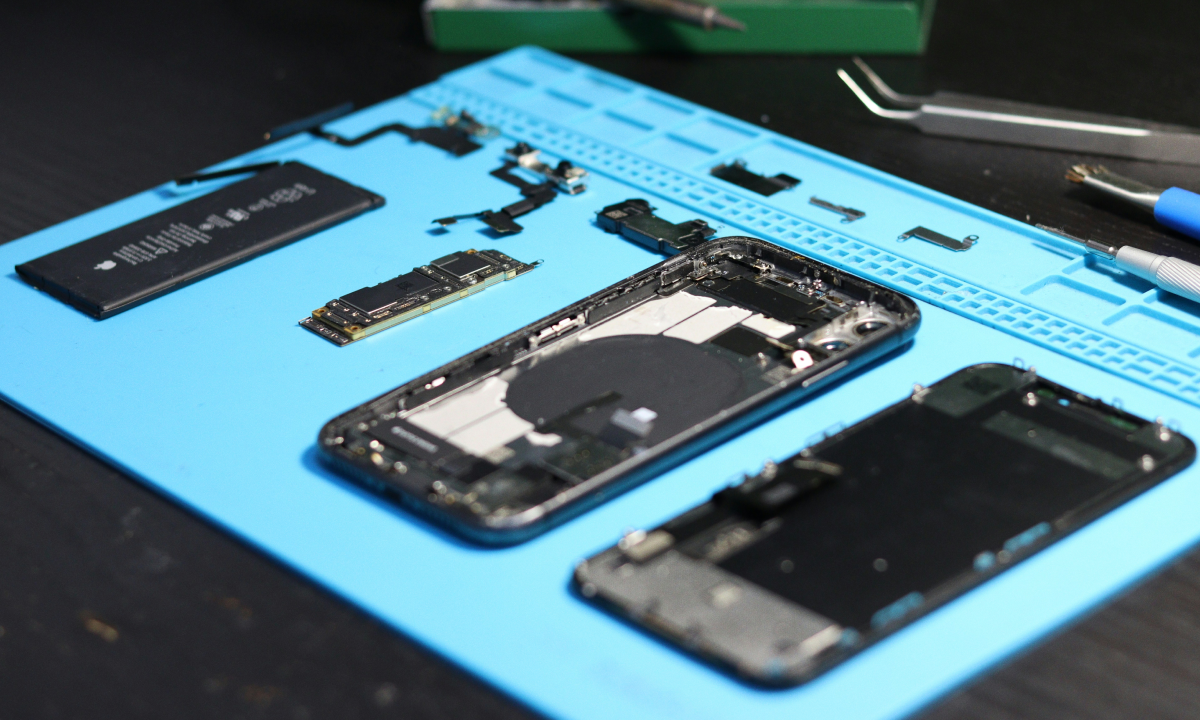
So what does refurbished phone mean, exactly? A refurbished iPhone is a previously owned or returned device that has gone through inspection, repair, cleaning, testing, and repackaging before resale — unlike a device sold “as-is.”
Refurbished inventory typically comes from retailer returns (14–30 day windows), devices with minor defects caught during quality control, former display units, and trade-in devices from carrier or manufacturer buyback programs.
A proper refurbishment process includes: diagnostic testing of the display, cameras, buttons, charging port, battery health, and Face ID/Touch ID; repair or part replacement where needed; a full data wipe and factory reset; deep cleaning; and final functional testing.
Apple’s own Certified Refurbished program sets the standard here: every unit ships with a new battery and new outer shell, arrives in a new box with standard accessories, and carries Apple’s full one-year warranty — the same as a new iPhone, with AppleCare+ available as an add-on. Third-party refurbishers vary widely: many only replace a battery once its health drops below roughly 80%, and warranty terms depend entirely on the individual seller.
What Is a Used iPhone?
A used iPhone is sold in whatever condition it’s in, with no standardized inspection or certification. Sellers range from private individuals and online classifieds to pawn shops and general secondhand stores.
Buying used typically means: no manufacturer warranty (unless original AppleCare+ is still active), unknown usage and repair history, possible hidden defects, highly variable cosmetic condition, and often-missing original accessories. The biggest hidden risks are a near-end-of-life battery, a device still locked to the previous owner’s iCloud account, a phone reported lost or stolen, or one that’s still being financed and could later be blacklisted.
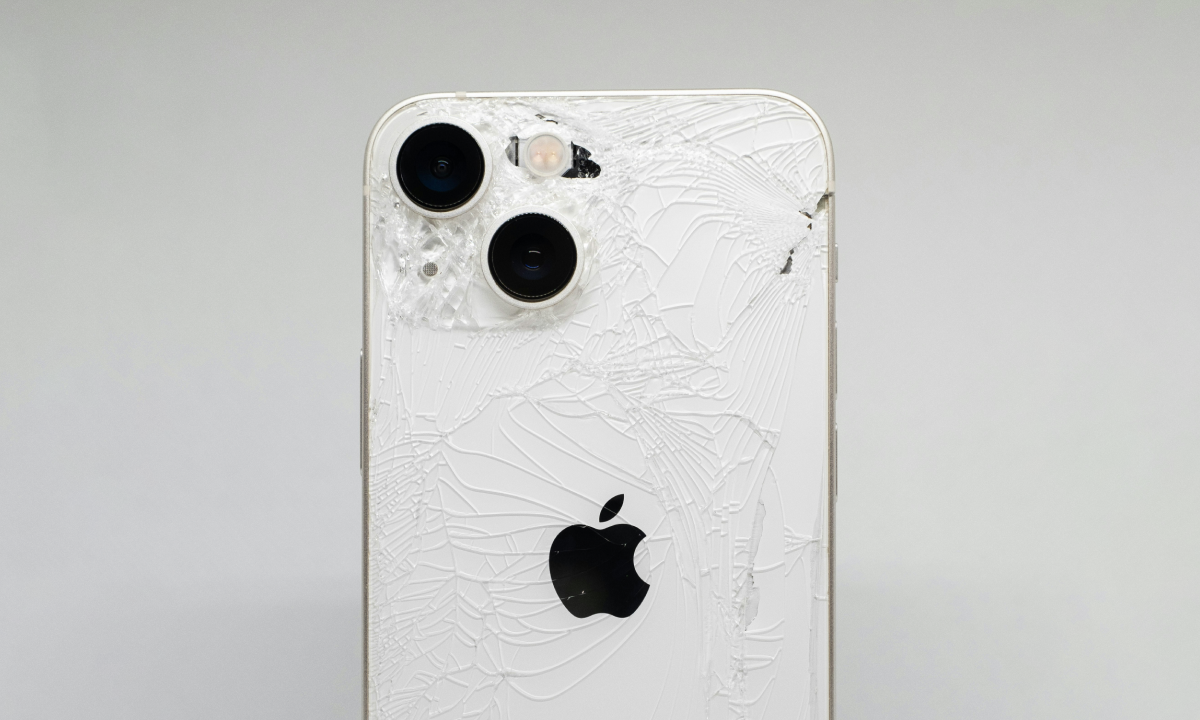
Refurbished vs Used: Side-by-Side
Understanding these differences up front helps you avoid the most common regret buyers report after a secondhand iPhone purchase: discovering a problem that a quick inspection process would have caught.
| Factor | Refurbished iPhone | Used iPhone |
| Warranty | 90 days–1 year (Apple: full 1-year) | Usually none |
| Inspection | Structured, multi-point testing | Rarely standardized |
| Battery | Often new (especially via Apple) | Unknown unless checked |
| Cosmetic condition | Graded and consistent | Variable, seller’s word only |
| Device history | Verified during processing | Usually unknown |
| iCloud lock / blacklist risk | Very low | Must be verified by buyer |
| Price | Moderate savings (~10–20% off new) | Larger savings, wider variance |
| Best for | Lower risk, working warranty | Lowest price, DIY due diligence |
Refurbished pros/cons: predictable quality and a usable warranty, but more modest savings and limited stock of specific colors or models.
Used pros/cons: the lowest possible price and widest model selection (including discontinued ones), but no safety net and a real chance of hidden defects or an activation lock.
Best Second-Hand iPhone to Buy in 2026
Apple’s current lineup is led by the iPhone 17 series (17, 17 Air, 17 Pro, 17 Pro Max, released September 2025), with the budget iPhone 17e replacing the 16e in March 2026. That pushes older generations firmly into refurbished and secondhand territory — and several remain excellent value.
| Model | Best For | What to Expect in 2026 |
| iPhone 13 | Tightest budget | Very affordable, batteries often need attention |
| iPhone 14 | Balanced value | Strong cameras, solid update runway |
| iPhone 15 | Best value pick | USB-C, Dynamic Island on Pro, long update support |
| iPhone 16 | Best recent-gen buy | Apple Intelligence support, closer to current pricing |
For most buyers, the iPhone 13–15 range balances price and remaining software support best, while the iPhone 16 is worth the premium for Apple Intelligence and a longer support window.
Best Place to Buy a Refurbished iPhone
The seller matters as much as the model. Apple’s own Certified Refurbished store is the safest choice — genuine parts, a new battery, and a full one-year warranty guaranteed rather than seller-dependent. Carrier certified pre-owned programs offer similar protection with carrier-specific terms. Marketplaces like Amazon Renewed or Back Market add convenience and transparent condition grading, backed by their own return windows — always confirm the return policy before, not after, buying. Independent local refurbishers can work well too, but only if you can inspect and test the device in person first.
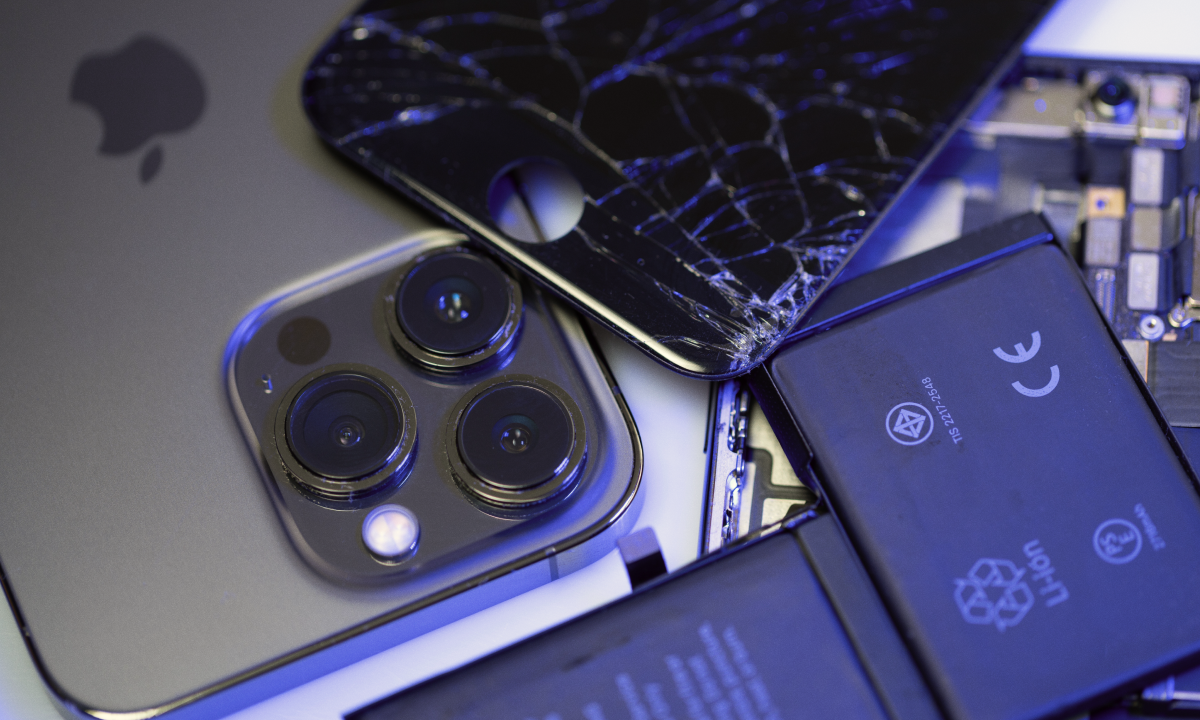
Should I Buy a Refurbished iPhone in 2026?
A few 2026-specific realities matter here. The refurbished market is deeper than before: with Apple now selling six iPhone models simultaneously (from the $599 17e up to the 17 Pro Max), more trade-in devices are flowing back into refurbished channels, improving selection and pricing.
Software support matters more than people think. Apple typically supports iPhones with major iOS updates for five to six years. A refurbished iPhone 13 or 14 still has reasonable life left; going much older mainly to save money can mean losing update support sooner than expected.
Scams remain common in private used-phone sales — fake “unlocked” listings, undisclosed iCloud locks, and misrepresented battery health — which is exactly the risk category certified refurbished programs exist to remove.
If you do buy used: confirm the device isn’t Activation Locked, check Battery Health in Settings (below 80% means a replacement is likely coming), test Face ID/Touch ID, all cameras, charging, and speakers in person, and only buy from sellers with a verifiable track record. A short return window, even just a few days, meaningfully lowers your risk if something turns out to be wrong.
Conclusion
Refurbished and used iPhones solve the same problem — getting Apple hardware for less — in very different ways. A refurbished iPhone, especially through Apple’s Certified Refurbished program, offers a real warranty and a tested, often battery-refreshed device. A used iPhone can undercut it on price but shifts nearly all the risk onto the buyer. Weigh your budget against your risk tolerance, compare current pricing for the model you want, and always verify battery health and activation status before paying.
Stay up-to-date with our news!
Subscribe to our mailing list and be the first to know about new promotions and special offers from the store!