Contents
- 1 What’s the Best iPhone to Buy in 2026?
- 2 The Current iPhone Lineup at a Glance
- 3 Should You Wait for the iPhone 18?
- 4 Matching an iPhone to Your Use Case
- 5 How to Choose iPhone: Key Factors That Actually Matter
- 6 Colors and Storage: The Choices Within Each Model
- 7 Trade-In Value: Timing Your Upgrade
- 8 Accessories Worth Budgeting For
- 9 Considering a Refurbished or Older Model Instead
- 10 Frequently Asked Questions
- 11 Conclusion
What’s the Best iPhone to Buy in 2026?
Apple’s iPhone lineup has never been more layered than it is right now. Instead of a simple “regular vs Pro” decision, buyers in 2026 are choosing between five current models spanning $599 to $1,199, each built around a different priority — price, size, weight, or camera capability. On top of that, Apple has shifted its release schedule this year, splitting the lineup between a fall launch and a spring launch, which adds a genuinely new question to the mix: should you buy now, or wait a few weeks for what’s coming next?
This iPhone buying guide in 2026 breaks down every current model in plain terms — what each one actually offers, how they compare side by side, and which one fits different budgets and use cases. Whether you’re upgrading from an older iPhone or buying your first one, the goal here is simple: to walk through how to choose the right iPhone for your needs, without wading through spec sheets that weren’t written with you in mind.
The Current iPhone Lineup at a Glance
As of today, Apple sells five iPhone models simultaneously — the widest current lineup in the company’s history. Here’s the complete picture before we go model by model.
| Model | Starting Price | Display Size | Chip | Standout Feature |
| iPhone 17e | $599 | 6.1” (notch) | A19 | Most affordable current iPhone |
| iPhone 17 | $799 | 6.3” | A19 | Best value with ProMotion display |
| iPhone Air | $999 | 6.5” | A19 Pro | Thinnest, lightest iPhone ever made |
| iPhone 17 Pro | $1,099 | 6.3” | A19 Pro | Best camera-to-size ratio |
| iPhone 17 Pro Max | $1,199 | 6.9” | A19 Pro | Longest battery life, largest screen |
An important timing note for anyone reading this in late summer 2026: Apple is expected to launch the iPhone 18 Pro and iPhone 18 Pro Max — alongside its first-ever foldable iPhone — in September 2026, following reports that the company is splitting future releases between fall and spring events. The standard iPhone 18 and iPhone 18e aren’t expected until spring 2027. In other words, if you’re specifically eyeing a Pro-tier phone, a new option is imminent. If you want the standard iPhone 17, iPhone 17e, or iPhone Air, none of those have a replacement coming until 2027 at the earliest, so there’s no reason to delay a purchase on their account.
iPhone 17e: The Budget-Friendly Entry Point
At $599, the iPhone 17e is the most affordable way into Apple’s current lineup, and it launched more recently than you might expect — in March 2026, months after the rest of the 17 family. It’s built around the same A19 chip found in the standard iPhone 17, which means it handles everyday apps, Apple Intelligence features, and typical multitasking without hesitation.
Where Apple trimmed costs is visible if you know where to look: the 17e keeps the older notch design instead of the Dynamic Island, runs its display at a standard 60Hz refresh rate rather than ProMotion’s adaptive 120Hz, and includes a single 48MP rear camera instead of the dual-camera systems found on every other current model. The front camera is a fixed 12MP unit rather than the 18MP Center Stage camera on the iPhone 17. It also drops physical SIM support entirely in the US, relying solely on eSIM.
None of that makes the 17e a bad phone — it’s a genuinely capable, modern iPhone for anyone whose priorities are price and reliability over display smoothness or camera flexibility. It’s an especially sensible pick for a first iPhone, a backup device, or a family member who mainly uses their phone for calls, messaging, and basic apps.
iPhone 17: The Best All-Around Value
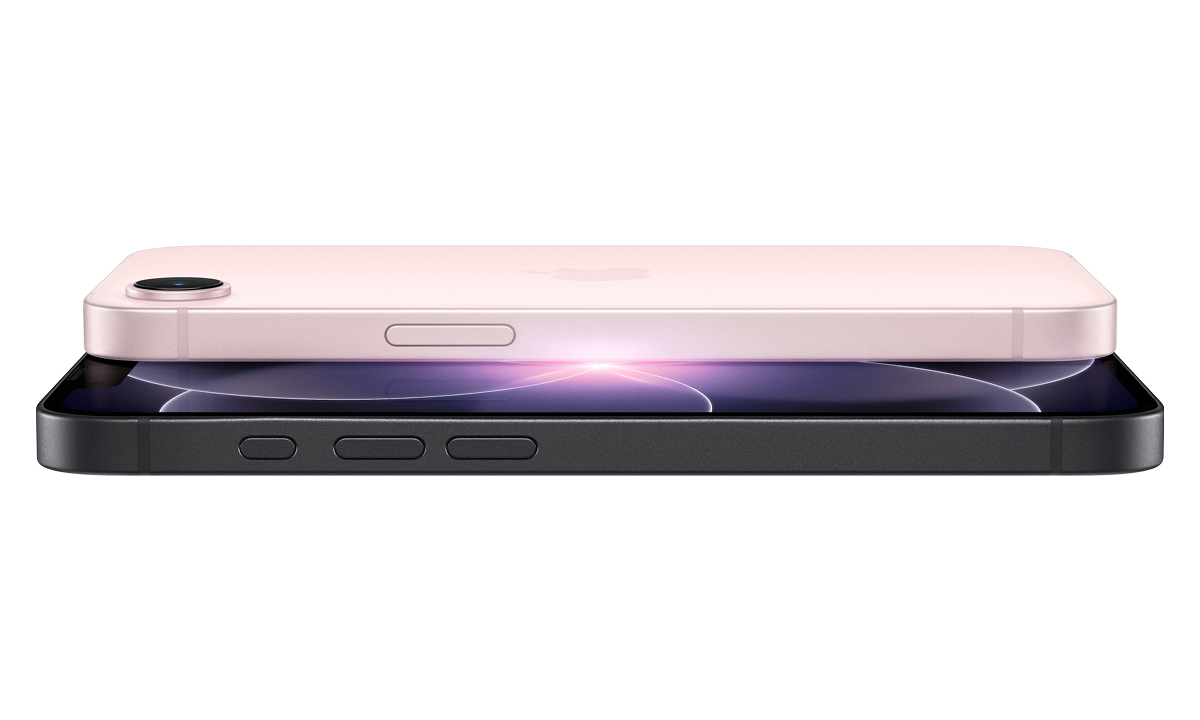
The standard iPhone 17, starting at $799, is where most of this year’s meaningful upgrades actually live. It features a 6.3-inch OLED display with ProMotion’s adaptive 120Hz refresh rate and Always-On functionality, a genuine step up in everyday smoothness compared to the 17e. Storage starts at a generous 256GB — double what many competitors offer at a similar price — which matters more than people expect once photos, apps, and 4K video start accumulating.
The camera system moves to two 48MP lenses (main and ultra-wide), a meaningful jump from the 17e’s single sensor, and the front camera upgrades to an 18MP Center Stage sensor that automatically adjusts framing during video calls. The iPhone 17 also includes Apple’s new N1 wireless chip, enabling Wi-Fi 7, Bluetooth 6, and Thread support for smart home compatibility — a detail that won’t matter to everyone, but is a genuine forward-looking upgrade for anyone building out a connected home.
For the majority of buyers who want a modern iPhone without stepping into Pro-level pricing, the iPhone 17 is the model that delivers the most noticeable day-to-day improvement per dollar spent.
iPhone Air: Thinness as the Entire Point
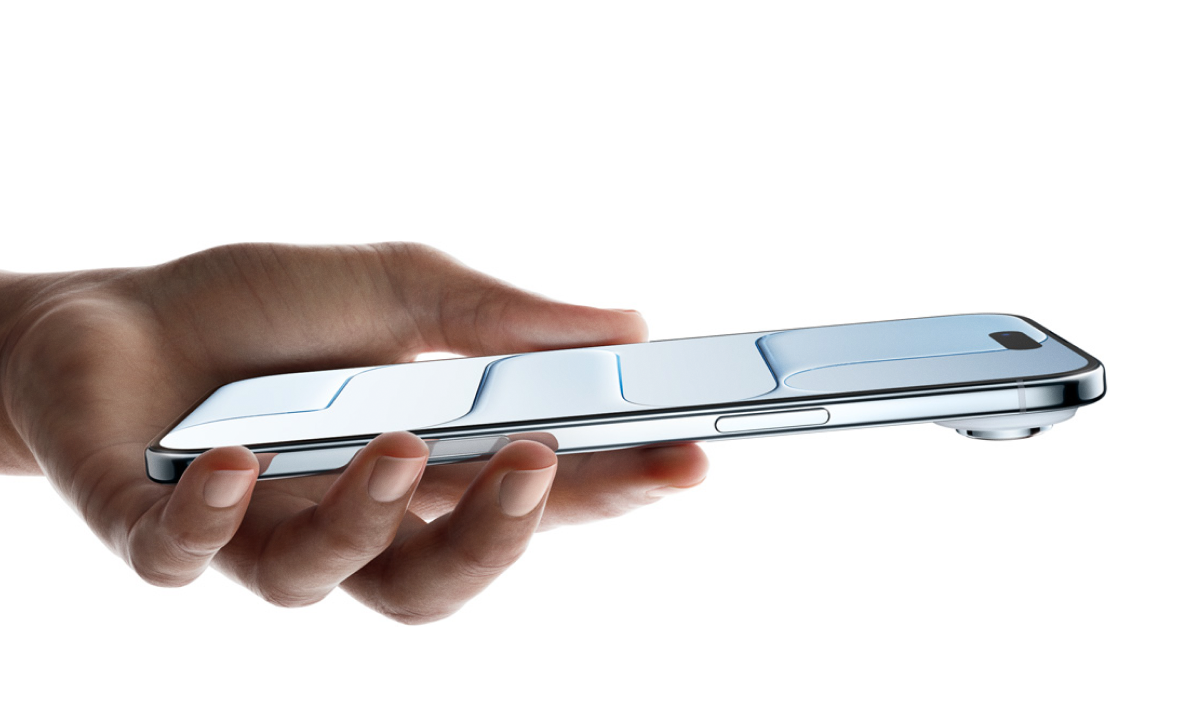
The iPhone Air, at $999, replaces the “Plus” model that Apple discontinued this generation, and it’s built around a single, clear priority: being as thin and light as physically possible. At roughly 5.5mm thick, it’s the thinnest iPhone Apple has ever shipped, and the reduced weight is immediately noticeable in daily use — something that’s hard to appreciate from a spec sheet alone but becomes obvious the moment you hold one.
That thinness comes with trade-offs. The Air uses a single main camera rather than the multi-lens systems on the standard 17 and Pro models, and it’s eSIM-only with no physical SIM tray at all, even outside the US. Battery life, while still solid for daily use, doesn’t match the larger Pro Max.
The iPhone Air makes the most sense for buyers who genuinely prioritize how a phone feels in the hand and pocket over having the most capable camera system — think of it as Apple’s answer to “what if a phone felt like it wasn’t really there.”
iPhone 17 Pro: The Best Balance of Power and Size
Starting at $1,099, the iPhone 17 Pro represents what Apple calls its most significant Pro-model redesign in years. It switches to a unibody aluminum chassis paired with a vapor chamber cooling system, which allows the A19 Pro chip’s 6-core GPU to sustain higher performance for longer during demanding tasks like gaming or video editing without throttling as quickly as previous generations.
The camera system is where the Pro genuinely separates itself: three 48MP Fusion cameras, including a redesigned telephoto lens with up to 8x optical zoom — a jump from the 6x zoom on last year’s Pro Max, now available on the smaller Pro model too. Apple also reports the sensor on the new telephoto camera is 56% larger than its predecessor, improving detail in both bright and low-light conditions. Battery life on the 17 Pro is the best Apple has shipped in this size class to date.
For buyers who want the full camera and performance package without stepping up to the largest possible screen size, the iPhone 17 Pro is the most balanced choice in the current lineup.
iPhone 17 Pro Max: Maximum Screen and Battery
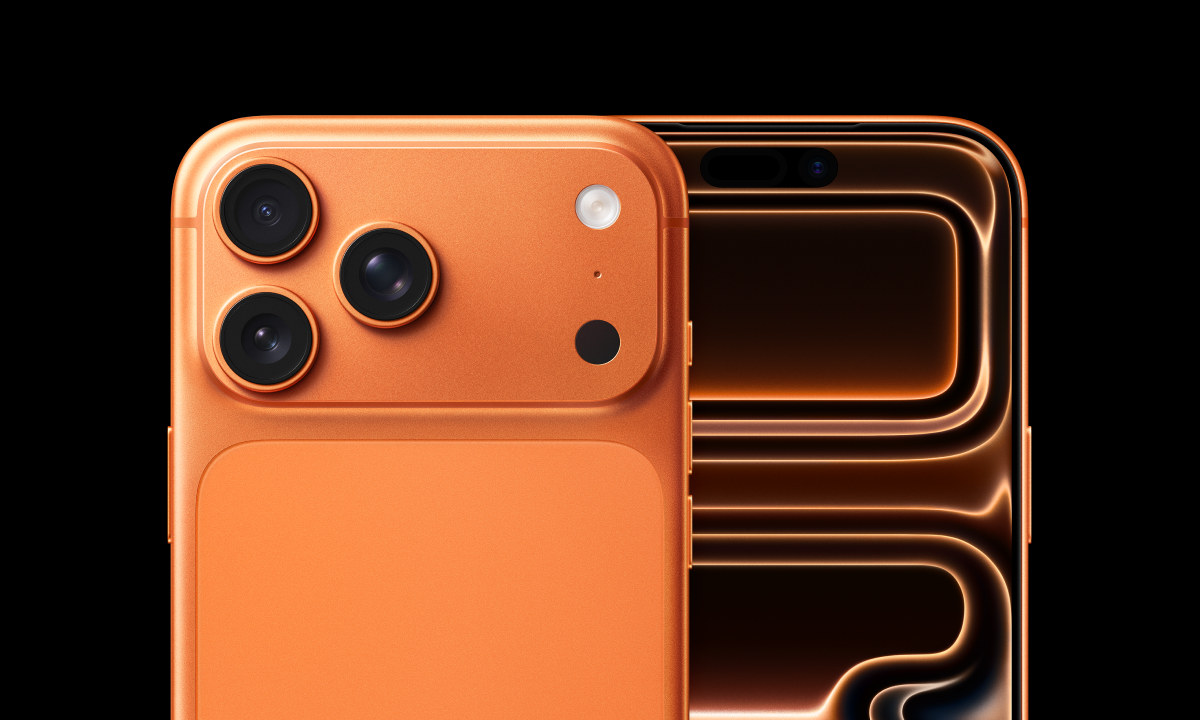
At $1,199, the iPhone 17 Pro Max shares its chip, camera system, and build quality with the standard Pro, but adds a larger 6.9-inch display and a bigger battery — resulting in the longest battery life of any iPhone Apple currently sells. Everything that makes the Pro compelling (the 8x telephoto zoom, the vapor chamber cooling, the aluminum unibody design) carries over here, scaled up.
The Pro Max is the clear choice for anyone who spends significant time on their phone daily — heavy media consumption, extended gaming sessions, or professional use where screen real estate and all-day battery life outweigh the benefits of a smaller, lighter device.
Full Specification Comparison
| Spec | iPhone 17e | iPhone 17 | iPhone Air | iPhone 17 Pro | iPhone 17 Pro Max |
| Price | $599 | $799 | $999 | $1,099 | $1,199 |
| Display | 6.1”, 60Hz | 6.3”, 120Hz ProMotion | 6.5”, ProMotion | 6.3”, ProMotion | 6.9”, ProMotion |
| Chip | A19 | A19 | A19 Pro | A19 Pro | A19 Pro |
| Rear Cameras | 1x 48MP | 2x 48MP | 1x 48MP | 3x 48MP (up to 8x zoom) | 3x 48MP (up to 8x zoom) |
| Front Camera | 12MP fixed | 18MP Center Stage | 18MP Center Stage | 18MP Center Stage | 18MP Center Stage |
| Build | Aluminum/glass | Aluminum/glass | Ultra-thin titanium/aluminum | Unibody aluminum | Unibody aluminum |
| Starting Storage | 128GB | 256GB | 256GB | 256GB | 256GB |
| SIM | eSIM only (US) | Physical + eSIM (region-dependent) | eSIM only | eSIM only (US) | eSIM only (US) |
| Battery Life | Good | Very good | Good | Excellent | Best in lineup |
Should You Wait for the iPhone 18?
This is the single most important question for anyone reading a comparison like this close to a launch window. Here’s the honest breakdown by model:
- If you want a Pro-tier iPhone: the iPhone 18 Pro and iPhone 18 Pro Max are expected within weeks, reportedly bringing a faster 2nm A20 chip, a smaller Dynamic Island, and possibly a variable aperture main camera. If you can wait, waiting is reasonable — though early leaks also suggest Pro pricing could rise with this generation.
- If you want the standard iPhone, the budget 17e, or the iPhone Air: none of these have a successor coming until spring 2027 at the earliest. There’s no upgrade around the corner to wait for, so buying now costs you nothing in missed timing.
- If you’re curious about the foldable iPhone: it’s expected to launch alongside the 18 Pro models, likely priced at a significant premium (estimates suggest at least $2,000), and is a first-generation product in a category Apple has never shipped before. Unless you specifically want to be an early adopter of foldable design, it’s worth letting the first wave of reviews settle before considering it.
Matching an iPhone to Your Use Case
Rather than asking which iPhone is “best” in the abstract, it’s more useful to match the decision to how you actually plan to use the phone.
| Priority | Best Match | Why |
| Lowest price | iPhone 17e ($599) | Modern chip and Apple Intelligence support at the lowest entry cost |
| Best overall value | iPhone 17 ($799) | ProMotion display, dual cameras, and 256GB storage for a moderate premium |
| Lightest, thinnest feel | iPhone Air ($999) | Purpose-built around minimal thickness and weight |
| Photography and video | iPhone 17 Pro ($1,099) | Triple-camera system with 8x optical zoom in a manageable size |
| Maximum battery and screen | iPhone 17 Pro Max ($1,199) | Largest display and longest battery life in the lineup |
| Smart home enthusiasts | iPhone 17 or higher | N1 chip adds Thread support for smart home device compatibility |
| Budget-conscious upgraders | Certified refurbished iPhone 15/16 | Older flagship hardware at a reduced price with Apple’s standard warranty |
How to Choose iPhone: Key Factors That Actually Matter
Knowing the specs is only half the equation — matching them against your own habits is what actually determines satisfaction after the purchase. A few factors consistently matter more than people expect going in:
Screen size and one-handed use. The jump from the 17e’s 6.1-inch display to the Pro Max’s 6.9-inch screen is larger than it sounds on paper. If you regularly use your phone one-handed, holding both sizes in a store before buying is worth the ten minutes it takes.
How you actually use the camera. If most of your photos are quick snapshots for social media or messaging, the dual-camera iPhone 17 will rarely leave you wanting more. If you shoot in low light often, photograph distant subjects, or care about optical zoom quality, the Pro’s telephoto lens is a genuine upgrade you’ll notice regularly, not just on paper.
Physical SIM needs while traveling. If you frequently swap physical SIM cards internationally, check your target model and region carefully — the iPhone Air and, in the US, the entire 17 lineup outside the base iPhone 17 have moved to eSIM-only, which isn’t universally supported by every carrier or country yet.
Battery habits. If you routinely find yourself charging mid-afternoon, the Pro Max’s larger battery solves a real daily frustration that a slightly better camera or thinner design never will.
Budget flexibility for storage. Base storage tiers vary across the lineup (128GB on the 17e versus 256GB standard elsewhere), and Apple’s jump to the next storage tier is rarely cheap — factor this into the real price difference between models before comparing sticker prices directly.
Colors and Storage: The Choices Within Each Model
Once you’ve settled on a model, two smaller decisions still shape both price and daily experience: color and storage capacity.
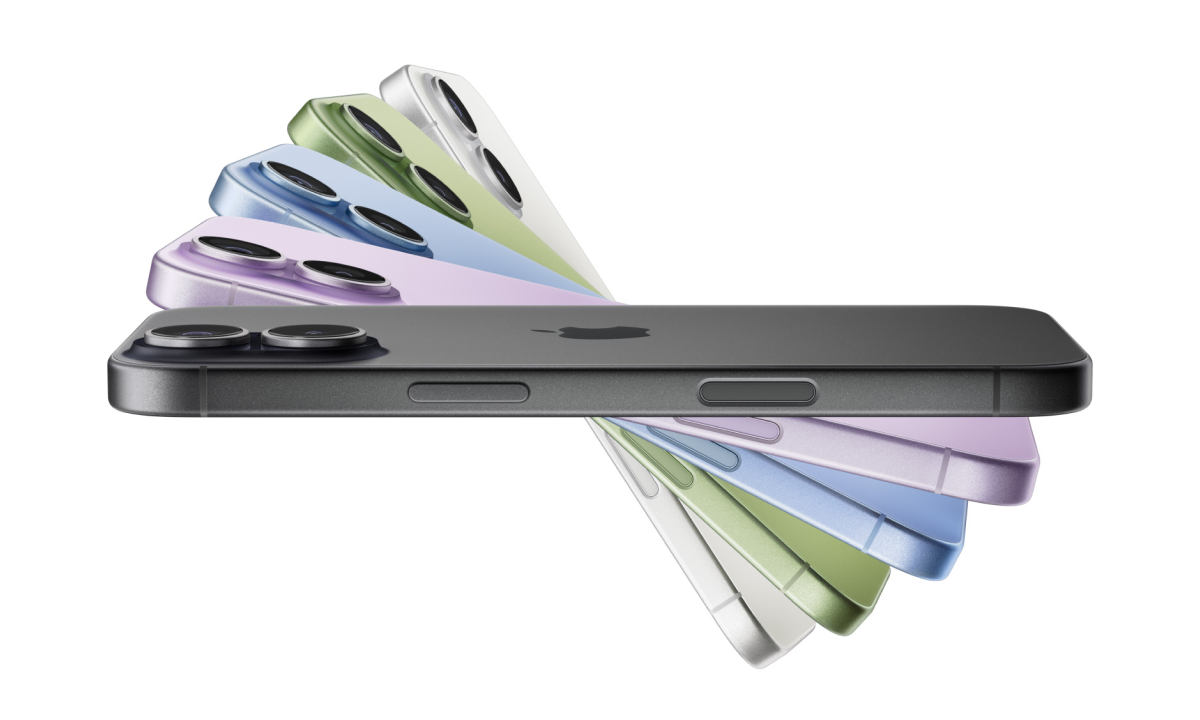
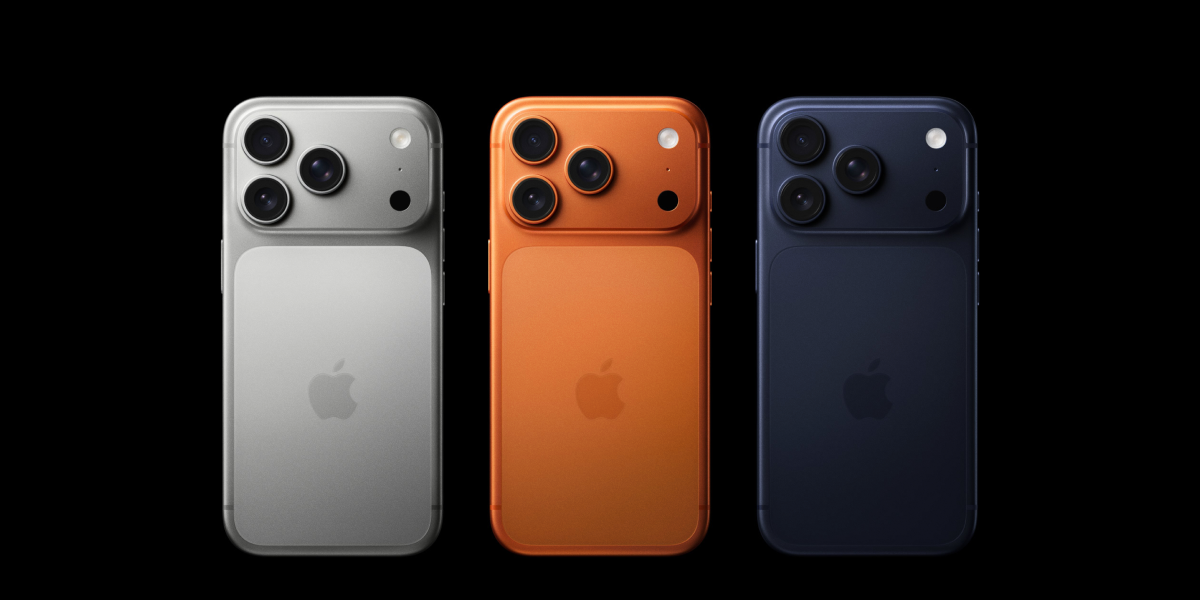
Color options vary by model this generation. The iPhone 17 Pro and Pro Max come in three finishes — Silver, Cosmic Orange, and Deep Blue — a shift from the more muted Pro palettes of previous years toward genuinely distinct color statements. The standard iPhone 17 and iPhone Air are offered in a broader range of lighter, everyday-friendly tones, while the budget-focused iPhone 17e sticks to a smaller, simpler color selection reflecting its position as the value option. Color has zero effect on performance, but it’s worth handling a phone in person if possible, since finishes can look noticeably different in photos versus under real lighting.
Storage capacity is where costs can escalate quickly if you’re not paying attention. The iPhone 17e starts at 128GB, while every other current model starts at 256GB. Stepping up a tier — to 512GB or 1TB, available on the Pro models — typically adds $100–$300 to the price, depending on how many tiers you skip. As a practical rule: if you shoot a lot of 4K video, keep a large offline photo library, or install many large games, 512GB is worth the premium. If you rely heavily on cloud storage (iCloud, Google Photos) and stream rather than download most media, 256GB is comfortable for the vast majority of daily use, and going beyond it is often paying for headroom you won’t use.
Trade-In Value: Timing Your Upgrade
If you’re upgrading from an older iPhone rather than buying your first one, trade-in value is worth factoring into the real cost of any new purchase. Apple and most major carriers offer trade-in credit toward a new iPhone, and that credit depends heavily on both the model you’re trading in and its physical condition — a phone with a cracked screen or a battery that’s degraded below 80% health will be valued significantly lower than one in good working order.
A few practical points worth knowing before you trade in: back up your device and fully sign out of iCloud before handing it over, since a phone still linked to an Apple ID can’t be properly processed. Trade-in values also tend to drop the closer you get to a new model announcement — since older inventory becomes less desirable once a newer generation is available — so if you’re planning to trade in an old device anyway, doing it shortly after a new iPhone launch (rather than waiting months) generally secures a better valuation. Given the iPhone 18 Pro launch expected imminently, anyone holding an older Pro-model iPhone they plan to trade in should consider timing that trade-in around the announcement rather than well after it.
Accessories Worth Budgeting For
The price on the box rarely reflects what you’ll actually spend to use a new iPhone comfortably day to day. A few accessories are worth budgeting for alongside the phone itself, regardless of which model you choose:
- A case — the aluminum unibody design on the Pro models and the ultra-thin build of the iPhone Air are both more prone to visible wear without one, and drop protection matters most in the first few weeks before a habit of careful handling sets in.
- A screen protector, particularly for households with kids or anyone who frequently sets their phone face-down on hard surfaces.
- A fast charger, since none of the current iPhone models ship with a power adapter in the box — a USB-C charger capable of at least 20W is enough to take advantage of fast charging on any 2026 iPhone.
- AppleCare+, worth strongly considering on the Pro and Pro Max models specifically, given how much more expensive out-of-warranty repairs become as the hardware (and the camera systems in particular) grows more complex generation over generation.
Considering a Refurbished or Older Model Instead
Not every buyer needs this year’s hardware. Apple’s Certified Refurbished program regularly offers previous-generation models like the iPhone 15 or iPhone 16 at a meaningful discount, backed by the same one-year warranty as a new device and a replaced battery. For anyone whose priority is simply “a reliable, modern iPhone” rather than the newest camera or chip, a refurbished iPhone 15 or 16 can outperform a brand-new budget model on pure value, since you’re getting what was flagship hardware just one or two years ago rather than this generation’s cost-cutting compromises.
Frequently Asked Questions
Which current iPhone model is right for most people in 2026? For most buyers, the standard iPhone 17 offers the strongest overall balance of price, display quality, and camera performance without stepping into Pro-tier pricing.
Is the iPhone 17e worth buying over the standard iPhone 17? Only if minimizing cost is the priority. The $200 price difference buys a better display (ProMotion vs standard 60Hz), a second rear camera, and a significantly better front camera — upgrades that are noticeable in daily use.
Should I buy an iPhone Pro model now or wait for the iPhone 18 Pro? If you specifically want the latest Pro-tier technology, waiting a few weeks makes sense, since the iPhone 18 Pro and Pro Max are expected imminently. If you want a non-Pro model, there’s no upcoming replacement to wait for.
Is the iPhone Air worth the higher price over the standard iPhone 17? Only if its thin, light design is a genuine priority for you. On raw specifications and camera capability, the standard iPhone 17 and iPhone 17 Pro both offer more for a comparable or lower price.
Does the iPhone 17e support Apple Intelligence? Yes. It uses the same A19 chip found in the standard iPhone 17, which supports Apple Intelligence features.
How much storage do I actually need on a new iPhone? For most people, the standard 256GB found on every model except the 17e is comfortable, especially if you rely on iCloud or another cloud service for photo backup. Heavy 4K video shooters, gamers with large game libraries, or anyone who keeps everything stored locally should consider stepping up to 512GB.
Is it worth buying AppleCare+ on a new iPhone? It depends on the model and your history with dropped or damaged phones. On the Pro and Pro Max, where the camera systems and unibody construction make out-of-warranty repairs particularly expensive, AppleCare+ tends to pay for itself after a single major repair.
Conclusion
There’s no single correct answer for every buyer — only the model that best matches your budget and how you actually use your phone. The iPhone 17e covers the basics affordably, the iPhone 17 delivers the strongest all-around value, the iPhone Air is built for anyone who prioritizes feel over features, and the Pro and Pro Max models exist for buyers who want the best camera system and battery life Apple currently offers. If you’re specifically drawn to Pro-level hardware, it’s worth holding off for the imminent iPhone 18 Pro launch; for every other model in the lineup, there’s no upgrade on the immediate horizon, so buying now costs you nothing in timing. Compare your budget against the factors that actually affect daily satisfaction — screen size, camera habits, SIM needs, and battery life — and the right choice becomes a fairly straightforward call.
Stay up-to-date with our news!
Subscribe to our mailing list and be the first to know about new promotions and special offers from the store!