Contents
AirPods Compared: Which Apple Earbuds Should You Buy in 2026?
Apple’s AirPods have become the default wireless earbuds for millions of iPhone owners, and the lineup has only grown more layered over time. With several models on shelves at once — each with its own fit, features, and price — it’s easy to end up comparing spec sheets without a clear sense of which one actually fits how you listen.
This guide breaks down the difference between AirPods models so you can make a confident choice based on your needs and budget, not just the price tag. We’ll compare AirPods across Apple’s current lineup — AirPods 4, AirPods 4 with Active Noise Cancellation, AirPods Pro 3, and AirPods Max 2 — looking at sound quality, noise cancellation, comfort, battery life, and price. We’ll also touch on how the previous generation, including the AirPods Pro 2 and AirPods 3, compares for anyone still deciding between older and newer models.
Apple’s Current AirPods Lineup at a Glance
| Model | Price | Fit | Active Noise Cancellation | Battery Life (earbuds) |
| AirPods 4 | $129 | Open-ear | No | Up to 5 hours |
| AirPods 4 with ANC | $179 | Open-ear | Yes | Up to 4 hours |
| AirPods Pro 3 | $249 | In-ear (silicone tips) | Yes (2x stronger than Pro 2) | Up to 6 hours |
| AirPods Max 2 | $549 | Over-ear | Yes | Up to 20 hours |
AirPods 4: The Everyday Choice
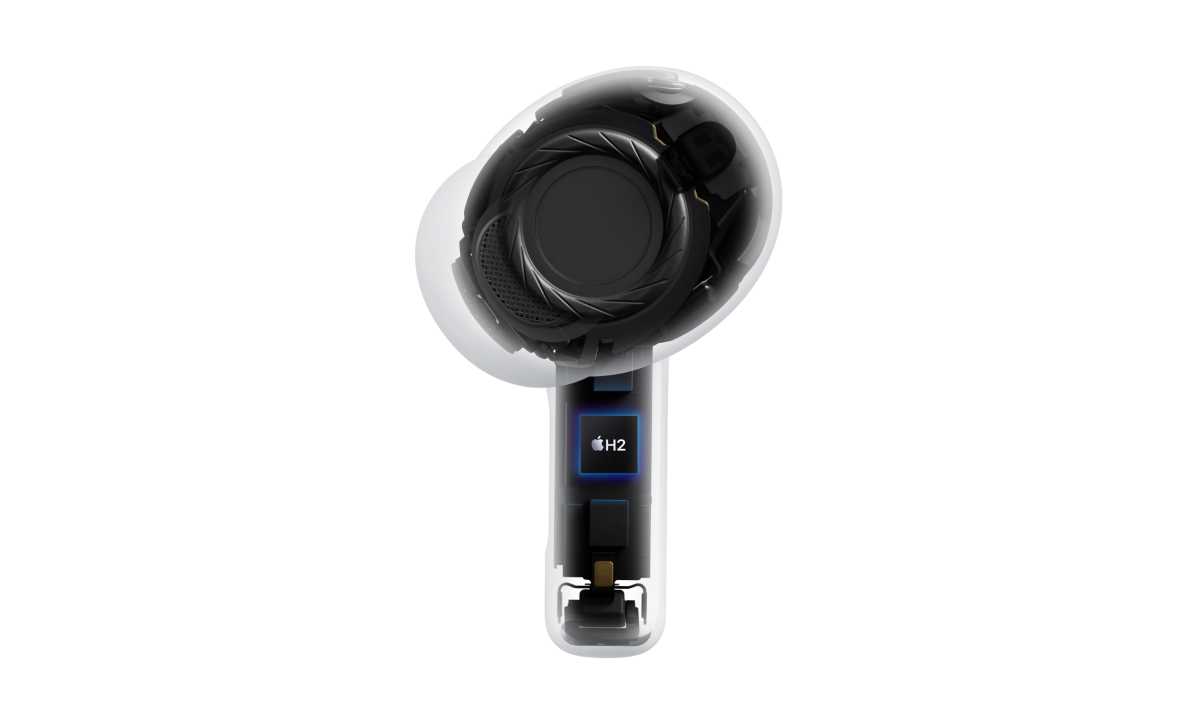
The AirPods 4 are Apple’s standard, open-ear earbuds, built for people who want the classic AirPods look and feel without stepping up to an in-ear design. They come in two versions: a $129 base model and a $179 version with Active Noise Cancellation, Adaptive Audio, and a wireless charging case.
Both versions share a refined shape that fits more ears comfortably than earlier generations, along with force-sensor controls, Adaptive EQ, and spatial audio with dynamic head tracking. Battery life runs up to 5 hours on the base model and around 4 hours with ANC switched on, with the charging case extending total listening time well beyond a full day.
Because they sit outside the ear canal rather than sealing it, AirPods 4 let ambient sound through by design — great for staying aware of your surroundings, less ideal if you specifically want to block out noise on a commute or in an office. They also remain the lightest and least intrusive option in the lineup, which makes them a popular pick for people who wear glasses or find in-ear tips uncomfortable during long listening sessions.
AirPods Pro 3: The Complete In-Ear Option
At $249, the AirPods Pro 3 are Apple’s most fully-featured in-ear model, and for most people weighing sound quality against price, they’re the sweet spot in the lineup. Silicone ear tips create a sealed fit that both improves bass response and roughly doubles the noise cancellation strength compared to the previous AirPods Pro 2.
The Pro 3 add heart rate sensing, Live Translation, improved audio quality, and a design tweak aimed at fitting a wider range of ear shapes. Transparency mode remains available for moments when you want to hear your surroundings without removing the earbuds, and Adaptive Audio blends the two modes automatically based on the noise around you. Battery life reaches up to 6 hours per charge with ANC on, among the best in the in-ear category.
AirPods Max 2: The Premium Over-Ear Flagship
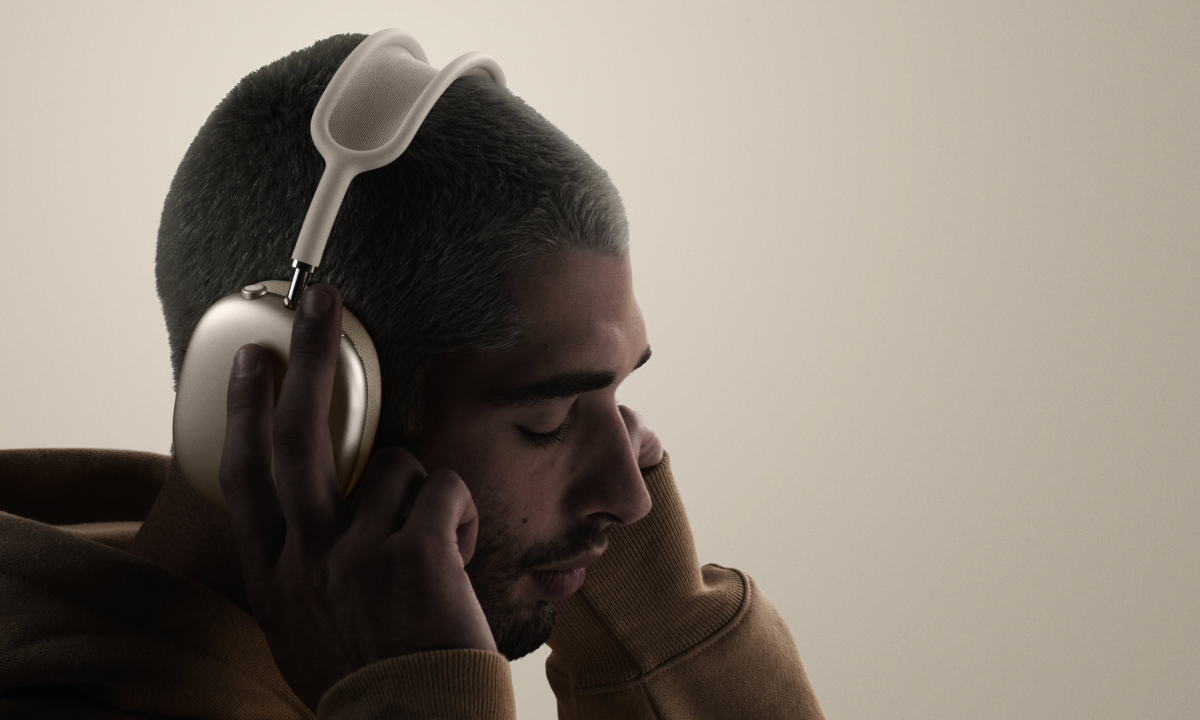
Apple’s over-ear flagship, the AirPods Max 2, is priced at $549 and is built for listeners who prioritize sound quality and immersive noise cancellation above portability. The design uses a plush aluminum-and-mesh build, generous ear cushions, and Apple’s H2 chip, which brings the strongest active noise cancellation Apple currently offers, along with Adaptive Audio, Conversation Awareness, Voice Isolation, and Live Translation.
The trade-offs are size and weight — this is a full over-ear headphone, not something you’ll casually toss in a pocket — but the payoff is up to 20 hours of battery life per charge and sound quality that both AirPods 4 and AirPods Pro 3 can’t fully match, thanks to larger drivers and a sealed over-ear chamber.
What About Older Models? AirPods Pro 2 vs AirPods 3
If you’ve been researching AirPods for a while, you may have come across comparisons involving the AirPods Pro 2 or the AirPods 3 — both were flagship options before Apple introduced the AirPods 4 and AirPods Pro 3. They’re worth understanding if you’re buying secondhand, taking advantage of a clearance sale, or simply comparing generations.
| Factor | AirPods 3 (previous generation) | AirPods Pro 2 (previous generation) |
| Fit | Open-ear | In-ear with silicone tips |
| Active Noise Cancellation | No | Yes |
| Spatial Audio | Yes | Yes, with improved processing |
| Battery Life | Up to 6 hours | Up to 6 hours (ANC on) |
| Typical Price Today | Discontinued; found on sale, if at all | Occasionally discounted where still sold |
Airpods pro 2 vs airpods 3 essentially came down to the same trade-off that still defines the lineup today: an open, breezy fit with no noise cancellation (AirPods 3) versus a sealed in-ear fit with active noise cancellation and stronger bass (AirPods Pro 2). If you’re comparing these two specifically, the Pro 2 wins on sound isolation and audio quality, while the AirPods 3 win on comfort for people who dislike anything sealing the ear canal.
What Is the Difference Between 2nd and 3rd Generation AirPods?
This question usually comes up in the context of the Pro line, since that’s where the generational jump is most significant. What is the difference between 2nd and 3rd generation AirPods Pro? The AirPods Pro 3 roughly double the noise cancellation strength of the AirPods Pro 2, add heart rate sensing for fitness tracking, introduce Live Translation, and refine the ear tip design for a more secure, comfortable fit. Both generations share the same overall in-ear form factor and support for Adaptive Audio and Transparency mode, but the Pro 3 is the clear upgrade for anyone prioritizing noise cancellation or workout tracking.
Comparing AirPods: Key Factors Side by Side
To compare Apple AirPods properly, it helps to line up the factors that actually change your day-to-day experience rather than just reading spec sheets in isolation.
| Priority | Best Match |
| Lowest price | AirPods 4 (base) — $129 |
| Noise cancellation on a budget | AirPods 4 with ANC — $179 |
| Best all-around value | AirPods Pro 3 — $249 |
| Best sound quality overall | AirPods Max 2 — $549 |
| Best for workouts | AirPods Pro 3 (secure fit, heart rate sensing) |
| Best battery life | AirPods Max 2 (up to 20 hours) |
| Best for glasses wearers | AirPods 4 (no over-ear pressure) |
Sound quality scales fairly predictably with price and seal: the open-ear AirPods 4 sound good but let bass escape, the sealed AirPods Pro 3 tighten up bass response and clarity thanks to the silicone tip seal, and the AirPods Max 2 go further still with larger drivers and a full acoustic chamber. Noise cancellation follows a similar pattern — the base AirPods 4 has none, the ANC version and AirPods Pro 3 both actively cancel noise (with the Pro 3 doing so more effectively), and the AirPods Max 2 currently offers Apple’s strongest noise cancellation across the entire lineup.
Comfort and fit come down to personal preference more than any spec. Open-ear designs (AirPods 4) suit people who find silicone tips uncomfortable or who wear glasses and dislike added ear pressure. In-ear designs (AirPods Pro 3) suit people who want a secure fit during exercise and better passive noise isolation. Over-ear designs (AirPods Max 2) suit people who prioritize sound quality and don’t mind the extra size and weight.
Which AirPods Should You Choose?
Best for Everyday Use on a Budget. If you mainly listen to music or podcasts in relatively quiet environments and want to keep costs down, the standard AirPods 4 ($129) cover the basics well: solid sound, comfortable open fit, and seamless Apple device pairing. If you’re regularly in noisier environments — public transport, open offices — spending the extra $50 for the AirPods 4 with ANC ($179) is worth it, since it adds real noise cancellation without moving up to an in-ear design.
Best for an Active Lifestyle and Workouts. For running, the gym, or any activity where earbuds might shift or fall out, an in-ear seal matters. The AirPods Pro 3 ($249) are the clear choice here: the silicone tips stay secure during movement, the seal blocks more ambient noise than an open-ear design, and the added heart rate sensing is a genuine bonus for workout tracking that neither the AirPods 4 nor the AirPods Max 2 currently offer.
Best for Travel and Noisy Environments. Frequent flyers and commuters benefit most from strong active noise cancellation. Both the AirPods Pro 3 and the AirPods Max 2 deliver here, but the choice comes down to portability versus isolation: the Pro 3 fit in a pocket and still cancel most ambient noise effectively, while the AirPods Max 2 provide Apple’s strongest ANC and the most complete isolation, at the cost of carrying a bulkier over-ear headphone.
Best for Audiophiles and Sound Quality. If audio fidelity is the top priority, the AirPods Max 2 are the obvious pick, with larger drivers and a sealed over-ear design that outperforms both in-ear options on bass depth and overall detail. Among in-ear models, the AirPods Pro 3 deliver the best sound quality Apple currently offers in a compact form, making them the better choice for anyone who wants strong audio without the size or price of the Max 2.
Best for the Apple Ecosystem. Every model in the current lineup — AirPods 4, AirPods Pro 3, and AirPods Max 2 — shares the same core ecosystem advantages: instant pairing across iPhone, iPad, and Mac, automatic device switching, Find My support, and spatial audio with head tracking on supported content. If you’re deeply invested in Apple devices, the ecosystem experience is consistent regardless of which model you choose — the decision really comes down to fit, noise cancellation needs, and budget rather than compatibility.
Factors to Consider Before You Buy
- Price: The lineup spans from $129 to $549, so start by setting a realistic budget rather than defaulting to the most expensive option. It’s worth remembering that Apple regularly discounts older stock during major shopping events, so checking current retailer pricing before buying at full list price can save $30–$80 depending on the model and time of year.
- Fit and comfort: If you’ve never liked in-ear tips, no amount of extra features on the AirPods Pro 3 will change that — try both fits in person if you can, ideally at an Apple Store or a retailer that allows returns if the fit doesn’t work out after a few days of real-world use.
- Noise cancellation needs: Be honest about how often you’re actually in loud environments; if it’s rare, you may not need to pay for ANC at all, and the savings can go toward AppleCare+ or accessories instead.
- Battery habits: If you frequently go a full day without recharging, the AirPods Max 2’s 20-hour battery life is a meaningful advantage over the 4–6 hours typical of the in-ear models. Keep in mind that the charging case on every AirPods model extends total listening time considerably, so daily battery life is rarely a dealbreaker unless you travel without regular access to a charger.
- Workout requirements: If you exercise regularly, prioritize the secure in-ear fit and health-tracking features of the AirPods Pro 3 over the open design of the AirPods 4, which can shift or loosen during high-intensity movement.
- Existing accessories and case type: All current models charge via USB-C, but charging case features differ — only the ANC-equipped AirPods 4, the AirPods Pro 3, and the AirPods Max 2 support wireless charging, so factor that in if you already use a Qi charging pad at your desk or bedside.
Conclusion
There’s no single “best” AirPods model — only the one that matches how you actually listen. The AirPods 4 offer the lowest cost of entry and a comfortable open fit; the ANC version adds effective noise cancellation without the price of the Pro line; the AirPods Pro 3 deliver the most complete in-ear package, with the strongest noise cancellation-per-dollar and genuinely useful health features; and the AirPods Max 2 sit at the top for anyone who wants the best sound and isolation Apple can offer and doesn’t mind the size. Compare your budget against how you actually use earbuds day to day, and the right model becomes a fairly easy call.
Stay up-to-date with our news!
Subscribe to our mailing list and be the first to know about new promotions and special offers from the store!